Table of Contents
Understanding Free Radicals and Oxidative Stress
What Are Free Radicals?
Free radicals are unstable atoms that can damage cells, causing illness and aging. They are a natural byproduct of metabolic processes, like turning food into energy, but they can also be generated by exposure to external factors like pollution, cigarette smoke, and UV radiation from the sun. These molecules are "unstable" because they are missing an electron, and they roam through your body trying to steal an electron from stable molecules, creating a chain reaction of damage.
The Concept of Oxidative Stress
When the number of free radicals in your body overwhelms your body's ability to neutralize them, it leads to a state called "oxidative stress." Think of it like rust on a car. Over time, this constant cellular damage can contribute to the development of chronic diseases, including heart disease, diabetes, and cancer. It's also a major factor in the aging process, affecting everything from your skin's appearance to your joint health.
"Oxidative stress is essentially an imbalance between the production of free radicals and the ability of the body to counteract or detoxify their harmful effects through neutralization by antioxidants." - Dr. David Perlmutter
How Antioxidants Come to the Rescue
This is where antioxidants play their heroic role. Antioxidants are molecules that can safely donate an electron to a free radical without becoming unstable themselves. This act neutralizes the free radical, stopping the damaging chain reaction in its tracks. Your body produces some antioxidants on its own, but it heavily relies on the antioxidants you get from your diet to keep oxidative stress in check.
The Major Types of Antioxidants and Their Roles
Vitamins C and E: The Classic Defenders
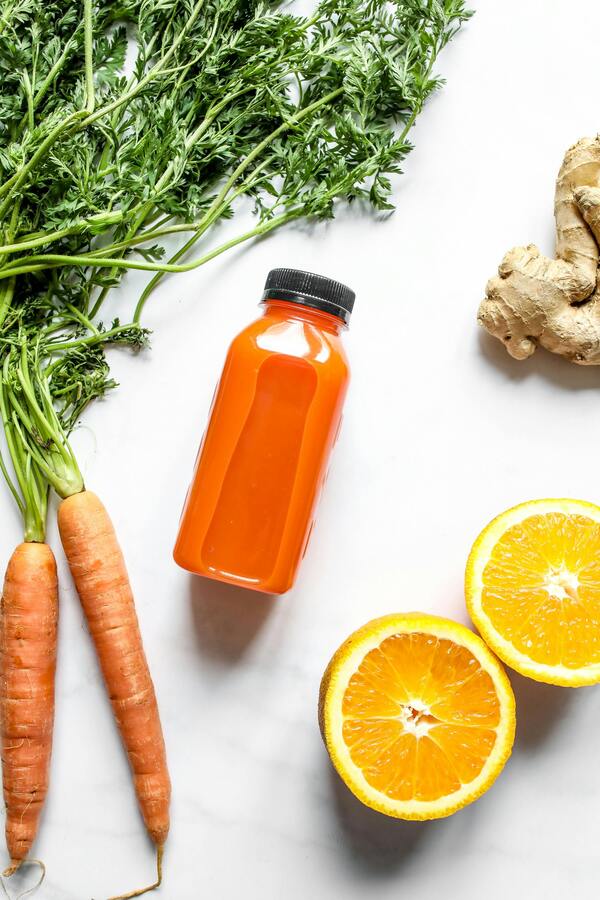
Vitamin C is a water-soluble antioxidant that works in the fluids inside and outside your cells. It's crucial for immune function and skin health. Vitamin E is a fat-soluble antioxidant that primarily protects cell membranes from damage. They often work together to protect different parts of the cell.
Carotenoids: The Pigment Powerhouses
Carotenoids are the pigments that give fruits and vegetables their bright red, orange, and yellow colors. The most well-known is beta-carotene, which your body can convert into Vitamin A, essential for vision and immune health. Others, like lycopene (found in tomatoes) and lutein (found in leafy greens), are linked to prostate and eye health, respectively.
Flavonoids: The Plant Protectors
This is a huge group of antioxidants found in a wide variety of plant foods. They are known for their anti-inflammatory and heart-protective effects. Examples include quercetin (in apples and onions), catechins (in green tea), and anthocyanins (in berries and red cabbage). Anthocyanins are particularly potent and give foods their deep red, purple, and blue hues.
Other Key Players: Selenium and Zinc
While not antioxidants themselves, these minerals are essential components of antioxidant enzymes in your body. Selenium and Zinc act as "co-factors," helping your body's own antioxidant defense systems to function properly. They are a crucial part of the overall antioxidant network.
The Top Antioxidant-Rich Foods for Your Diet
Berries: The Undisputed Champions
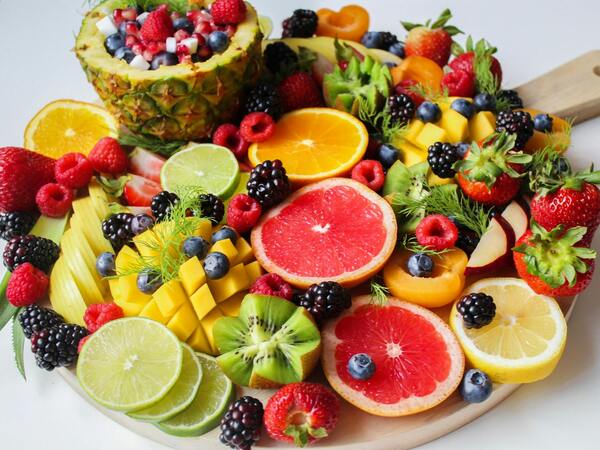
Blueberries, strawberries, raspberries, and cranberries are consistently ranked among the highest of all foods for antioxidant content. They are packed with anthocyanins and Vitamin C, which contribute to their powerful health benefits, including improved brain function and heart health.
Dark Leafy Greens: The Nutrient-Dense Heroes
Spinach, kale, and other dark leafy greens are excellent sources of lutein, beta-carotene, and Vitamin C. They are nutritional powerhouses that support everything from eye health to cellular repair.
Colorful Vegetables: A Rainbow of Protection
The more colorful your plate, the better. Red bell peppers, broccoli, artichokes, and red cabbage are all loaded with different types of antioxidants. For instance, red cabbage is one of the best sources of anthocyanins, while artichokes are rich in a variety of flavonoids.
Nuts, Seeds, and Dark Chocolate
Pecans and walnuts are particularly high in antioxidants. Dark chocolate (with a high cocoa content of 70% or more) is a delicious source of flavonoids. Seeds like sunflower seeds are a great source of Vitamin E.
The Power of Microgreens
Microgreens are a fantastic way to get a concentrated dose of antioxidants. Studies have shown that young seedlings, like red cabbage or radish microgreens, can have significantly higher levels of antioxidants like Vitamin C, E, and beta-carotene compared to their mature counterparts. A small sprinkle on your meal can provide a major protective boost.
How to Maximize Antioxidant Benefits in Your Daily Life
Eat a Colorful, Varied Diet
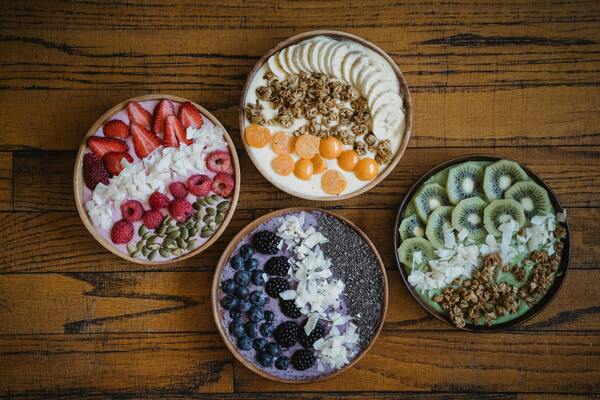
This is the single most important strategy. Don't just rely on one "superfood." Aim to include a variety of colorful fruits, vegetables, herbs, and spices in your meals every day. Each color provides different types of antioxidants, so a diverse diet ensures you're getting a broad spectrum of protection.
Choose Whole Foods Over Supplements
While antioxidant supplements are available, research suggests they are not as effective as obtaining antioxidants from whole foods. Foods contain a complex matrix of vitamins, minerals, fiber, and other phytonutrients that work together synergistically. It's this "food matrix" that provides the greatest benefit, something a single pill cannot replicate.
Simple Ways to Boost Your Intake
- Add berries to your breakfast: Top your oatmeal, yogurt, or cereal with a handful of fresh or frozen berries.
- Sneak in leafy greens: Add a handful of spinach to your smoothie, eggs, or pasta sauce.
- Snack smart: Choose a small handful of nuts or a piece of dark chocolate over processed snacks.
- Garnish generously: Top your salads, soups, and sandwiches with fresh herbs or a sprinkle of nutrient-dense microgreens.
Lifestyle Matters Too
Remember that antioxidants work to combat damage. You can reduce the "load" on your antioxidant system by making healthy lifestyle choices. This includes avoiding smoking, limiting alcohol, wearing sunscreen to protect against UV damage, getting enough sleep, and managing stress.
Conclusion: Your Shield Against Cellular Damage
Antioxidants are your body's essential allies in the fight against cellular damage and chronic disease. By understanding their role and focusing on a diet rich in a variety of colorful, whole foods, you can effectively reduce oxidative stress and support your long-term health. From berries and leafy greens to dark chocolate and microgreens, nature provides a delicious and powerful arsenal of these protective compounds.
Embrace the power of a colorful plate. Every meal is an opportunity to load up on these vital nutrients, building a more resilient body from the inside out.